
India has taken an important step toward embedding T1D within its public health system. The 2026 Udaipur T1D Summit brought together many of the people and perspectives who will help turn that momentum into access on the ground. The Summit convened the Indian T1D community in Jodhpur from 30 July to 1 August, marking the first time the annual Summit was held outside Udaipur.
The theme for the summit was Advancing Access, Equity & Action, and the program focused on what good T1D care looks like today and what is needed to make it accessible and available to more people.
Hosted by The Friends of Mewar in collaboration with Breakthrough T1D and the William J Clinton Foundation (WJCF), the Summit connected people with T1D, government representatives, health professionals, researchers, and development partners.
Princess Padmaja Kumari Parmar, Founder of The Friends of Mewar, opened proceedings with a focus on turning awareness into action and creating sustainable change in T1D care. Princess Padmaja has lived with T1D for over forty years and is a global ambassador for Breakthrough T1D.
The Summit was held at an important time for T1D in India. Earlier this year, T1D care was included for the first time within the national child health framework (RBSK 2.0). The revised program expands RBSK to cover thirty-eight childhood health conditions. The inclusion of T1D is supported by a dedicated Guidance Document on Diabetes Mellitus in Children.
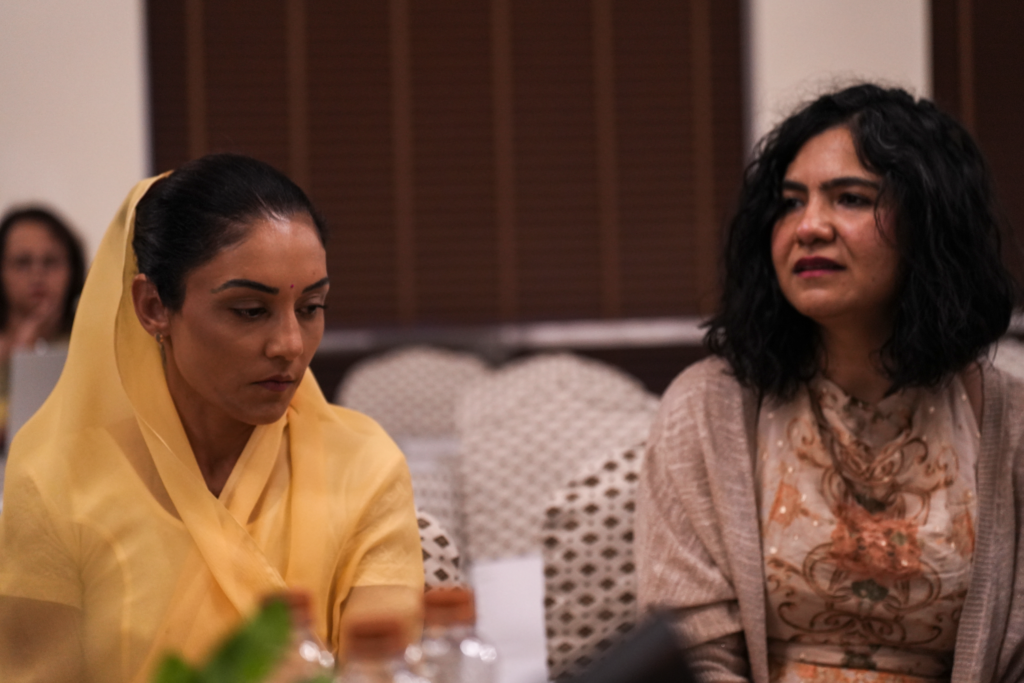
Professor Sujoy Ghosh, senior endocrinologist at Manipal Hospital in Kolkata, spoke about this important development for T1D care in India. Professor Ghosh led the technical expert and writing group involved in developing the new guidance which draws significantly on his pioneering West Bengal model of T1D. That model brings T1D care closer to communities through dedicated services at district hospitals and has informed plans to extend T1D services across districts in India. In embedding T1D diagnosis and and care within India’s public health system, the new guidelines mark an important shift and illustrate one piece of implementation: what it takes to build the clinical systems that translate policy into care.
Community perspectives illustrated another. Jyotsana Rangeen, Lakshmi Varimadugu, Mridula Kabila Bhargava and Nupur Lalvani, grassroots diabetes advocates from across India and members of the ImPatient Network, drove discussions and shared their experience of living with T1D while leading community initiatives. They offered insights into what people with T1D are seeing in their own communities and shared their ideas for how to support the rollout of the new Guidelines.
“Guidelines set the standard, but communities will determine whether the standard reaches people’s everyday lives. Clear, accessible communication and meaningful engagement with people with T1D must be at the heart of the rollout because implementation cannot succeed without the voices and realities of the community it is meant to serve.”
— Mridula Kabila Bhargava, Diabetes Fighters Trust, lived with T1D for 33 years.
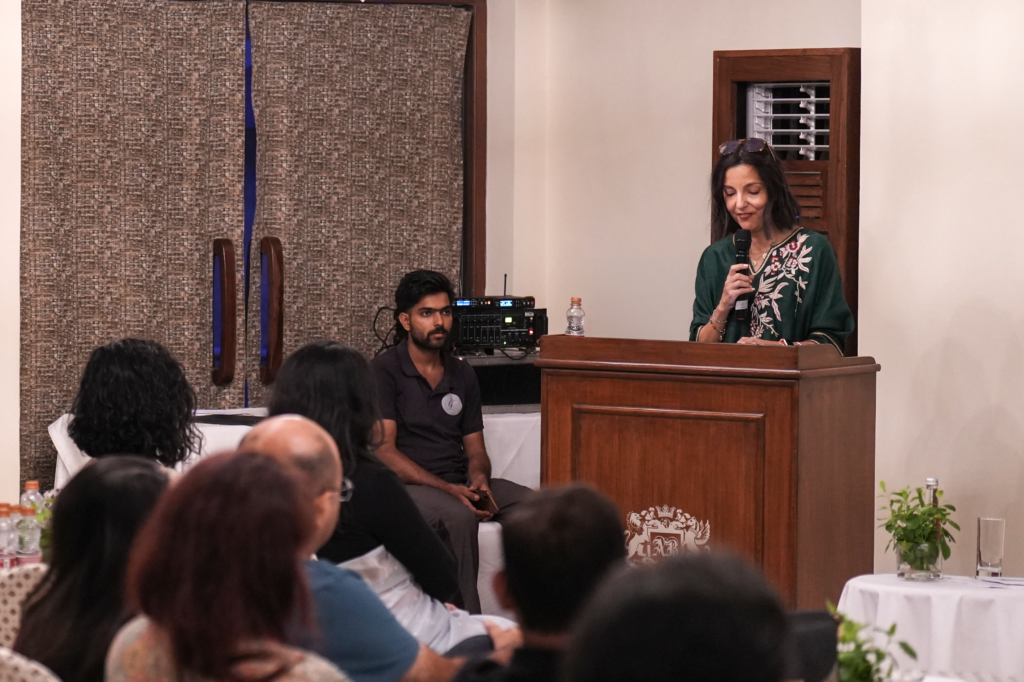
Some of the most important conversations happened away from the conference venue. Summit participants travelled from Jodhpur to Nagaur, visiting the T1D clinic at Nagaur District Hospital and joining a day camp for children and adolescents with T1D and their families.
Nagaur has particular significance for T1D care in Rajasthan. Mission Madhuhari was launched at the District Hospital in November 2024 to strengthen healthcare and services for people with T1D. The program has included training for paediatric specialists and doctors from district and sub-district hospitals, as well as provision of insulin, glucose meters, and glucose strips. By December 2025, more than 1,700 people had registered in the program. It is a working example of implementation already underway.
ImPatient Network members joined activities with children and families, sharing experiences and demonstrating something that cannot be delivered through clinical care alone: connection with others who understand life with T1D.
“Community camps bring a different kind of learning into the T1D journey, one that comes from people who understand the realities of living with the condition every day. When people with lived experience lead these conversations, families can see that they are not alone, and gain practical perspectives on navigating life with T1D that complement the care they receive from their healthcare professionals.”
— Snehal Nandagawli, Blue Circle Diabetes Foundation, lived with T1D for 24 years.
Children at the camp also shared their hopes for the future. They spoke about becoming doctors and teachers, working in government, and living happy lives. Diabetes was part of their lives, but it did not define their ambitions.
The three days in Jodhpur and Nagaur demonstrated why strengthening T1D care requires more than any one intervention. Government leadership, strong health systems, clinical expertise and meaningful community engagement all have a part to play. This is the same model ALIGN-T1D is working to advance by bringing together people with lived experience of T1D, government, industry, and civil society to close the gaps that keep comprehensive T1D care and quality supplies out of reach of so many around the world.